
Table of content
When Is the Best Time to Visit Split?
Split Weather Throughout the Year
January in Split
February in Split
March in Split
April in Split
May in Split
June in Split
July in Split
August in Split
September in Split
October in Split
November in Split
December in Split
Peak Season in Split: June to August
Spring and Autumn in Split
Winter in Split: November to March
What is the Best Time to Visit Split for Beaches and Swimming?
What is the Best Time for Sightseeing Split?
What is the Best Time for Festivals and Nightlife in Split?
What is the Best Time for Outdoor Activities in Split?
Frequently Asked Questions
Where to Stay in Split
CONCLUSION
Related blogs
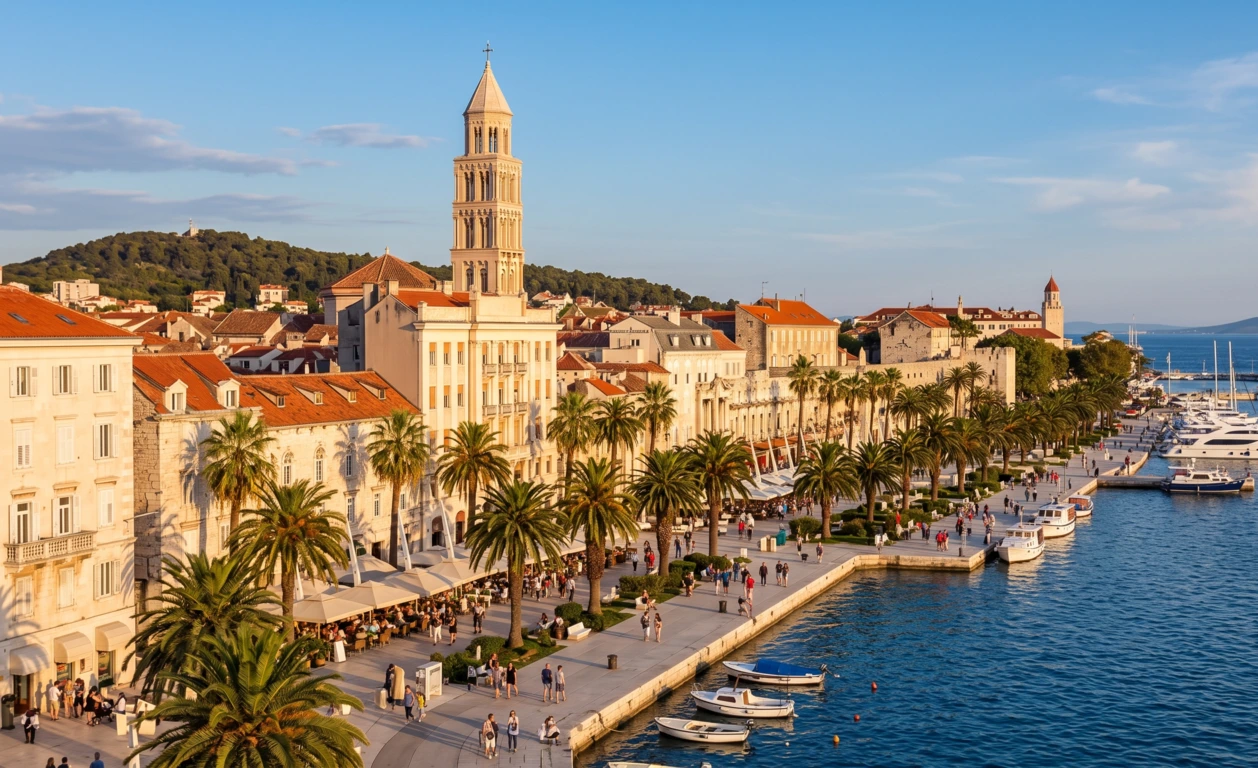
Split is a destination worth visiting throughout the year. During summer, the city is filled with visitors enjoying its beaches, warm evenings, festivals and lively streets. Spring and autumn bring pleasant weather for sightseeing, walking and outdoor activities, while winter reveals a quieter side of the city.
The best time to visit Split therefore depends on what you want to experience. Some travellers come for swimming and nightlife, while others prefer exploring Diocletian’s Palace, walking around Marjan Hill or enjoying the historic centre without the busiest summer crowds.
This month-by-month guide will help you choose the right time for your holiday in Split.
When Is the Best Time to Visit Split?
For most visitors, May, June and September offer the best combination of pleasant weather, outdoor activities and a lively atmosphere.
July and August are the best months for travellers whose main priorities are swimming, beaches, summer events and nightlife. These are also the busiest months, so booking accommodation in advance is recommended.
April, May, September and October are especially suitable for sightseeing, walking and exploring the city. The weather is generally milder than during the height of summer, making it easier to spend more time outdoors.
From November to March, Split becomes calmer. Although this period is not ideal for a traditional beach holiday, it can be a good choice for travellers interested in history, culture, local life and a peaceful city break.
Split Weather Throughout the Year
Split has a Mediterranean climate with warm, dry summers and milder, wetter winters. Long-term monthly averages show that the average air temperature rises from approximately 8°C in January to around 27°C in July and August. Average sea temperatures are around 22°C in
June and remain above 23°C during July, August and September. Actual weather may differ from long-term averages, so visitors should always check the forecast shortly before travelling.
| Month | Air Temp (avg) | Sea Temp (avg) |
|---|---|---|
| January | 8°C | too cold for swimming |
| February | 9°C | too cold for swimming |
| March | 11°C | too cold for swimming |
| April | 15°C | 15°C |
| May | 20°C | 18°C |
| June | 24°C | 22°C |
| July | 27°C | 24°C |
| August | 27°C | 25°C |
| September | 22°C | 24°C |
| October | 18°C | 20°C |
| November | 13°C | 16°C |
| December | 9°C | too cold for swimming |
January in Split
January is one of the quietest months in Split. The long-term monthly average air temperature is approximately 8°C, while the sea is much too cold for most swimmers.
This is a suitable time for walking through Diocletian’s Palace, visiting museums, exploring the old town and enjoying Split’s cafés and restaurants at a slower pace. With fewer visitors in the historic centre, it is easier to notice architectural details that can sometimes be missed during the busy summer season.
Rain and cool winds are possible, so warm clothing and a waterproof jacket are useful.
February in Split
February remains calm, with an average monthly temperature of approximately 9°C. The days gradually become longer, but the weather can still change quickly.
Visitors can explore the Riva, the Cathedral of Saint Domnius, the Palace cellars and nearby historic squares without summer heat. February may also suit couples looking for a quiet city break and relaxed dinners in the centre of Split.
Swimming is generally not recommended at this time of year, but clear days can still be pleasant for walking around Marjan.
March in Split
March marks the beginning of spring. The monthly average temperature rises to approximately 11°C, and warmer, sunnier days become more frequent.
This is a good month for exploring Split on foot. Visitors can combine sightseeing in the historic centre with walks through Marjan Forest Park, without the stronger heat experienced later in the year.
The weather is not yet reliable enough for a beach holiday, but March can be a good choice for active travellers and visitors mainly interested in culture and history.
April in Split
In April, the monthly average temperature reaches approximately 15°C. Outdoor terraces become more active, the city feels livelier and the warmer weather makes longer walks more comfortable.
April is suitable for visiting Diocletian’s Palace, walking along the Riva, climbing Marjan Hill or taking a day trip from Split. Some warm days may feel almost like early summer, although rain and cooler periods are still possible.
The average sea temperature is approximately 15°C, so swimming remains an option mainly for visitors who do not mind colder water.
May in Split
May is one of the best months to visit Split. The monthly average air temperature is close to 20°C, and the city is warm enough for most outdoor activities without the intense heat of July and August.
The sea reaches an average temperature of approximately 18°C. Some visitors begin swimming during May, particularly towards the end of the month, although the water may still feel cool.
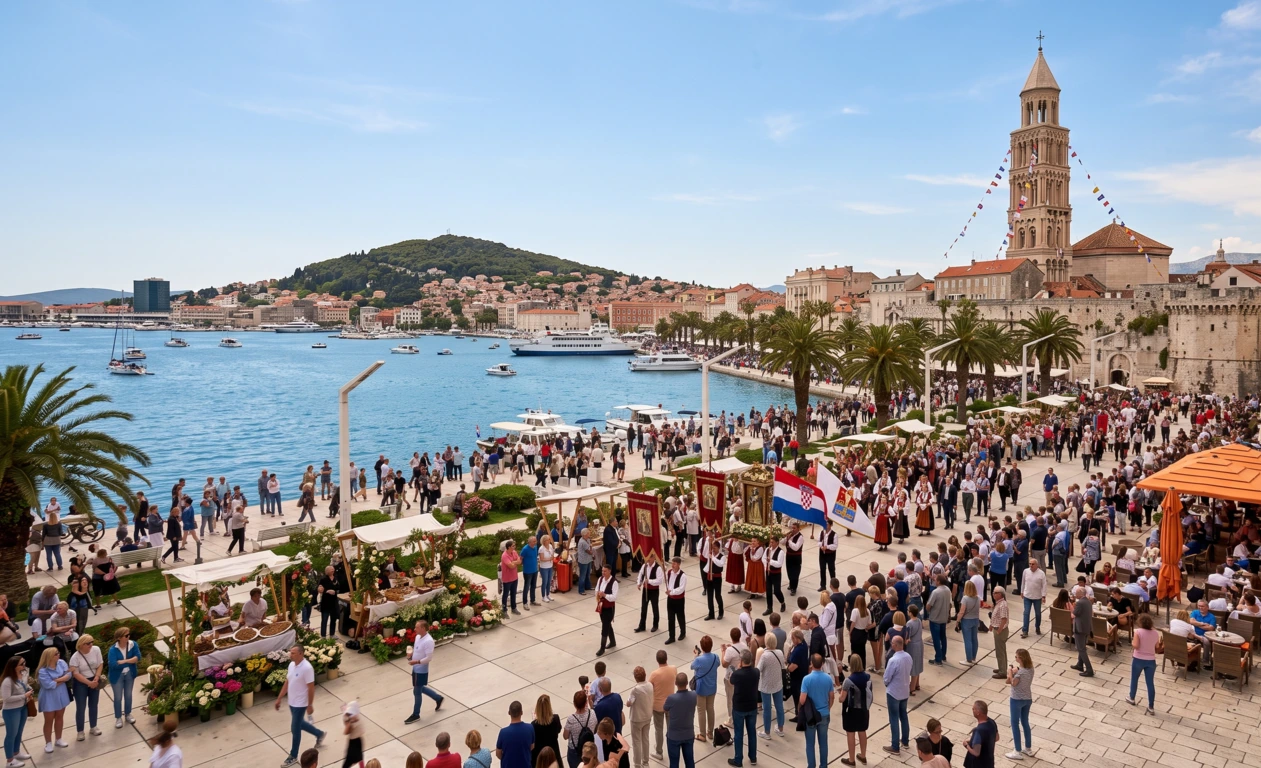
May is also an important month in the city because Split celebrates Sudamja, the Feast of Saint Domnius and the Day of the City. The celebration reaches its main day on May 7 and traditionally includes a procession, religious ceremonies, concerts, local food and different cultural and entertainment programmes.
For visitors interested in local culture, pleasant weather and sightseeing, May is an excellent choice.
June in Split
June brings the beginning of the main summer season. The monthly average air temperature is approximately 24°C, while the average sea temperature rises to about 22°C.
The weather is suitable for swimming, sunbathing, boat trips and evening walks through the old town. The city is already lively, but June can feel less intense than the busiest weeks of July and August.
It is also a good month for combining beach time with sightseeing. Visitors can spend the morning exploring Diocletian’s Palace, relax at Bačvice, Kašjuni or another Split beach during the afternoon and return to the centre for dinner in the evening.
July in Split
July is one of the hottest, busiest and most active months in Split. The long-term monthly average air temperature is close to 27°C, while the average sea temperature is approximately 24°C.
This is an ideal month for swimming, beach activities, boat trips and nightlife. However, sightseeing during the middle of the day can be tiring, so it is better to explore the historic centre in the morning or later in the afternoon.
July is also one of the most important months for events in Split. Ultra Europe brings electronic music fans to the city, while the Split Summer Festival presents opera, theatre, ballet, concerts and other performances at historic and open-air locations. Event dates change each year, so they should be checked before booking a trip.
Visitors planning to come in July should reserve their accommodation early to have a wider choice of rooms and locations.
August in Split
August is similar to July, with a monthly average air temperature of approximately 27°C. The sea reaches its highest average temperature of the year at close to 25°C.
It is an excellent month for travellers who want a classic summer holiday with swimming, long evenings, busy terraces and a lively atmosphere. Beaches and major attractions can become crowded, especially during the central part of the day.
Early mornings are ideal for visiting Diocletian’s Palace and the Riva. The hottest part of the afternoon can be reserved for swimming or resting, followed by an evening walk and dinner in the old town.
August offers the full summer experience, but it is not the best choice for travellers whose main goal is quiet sightseeing.
September in Split
September is another excellent month to visit Split. The monthly average air temperature is approximately 22°C, while the sea remains warm at an average of around 24°C.
The weather is still suitable for swimming and beach days, particularly during the first part of the month. At the same time, conditions are generally more comfortable for walking, sightseeing and exploring Marjan.
September is particularly suitable for visitors who want to combine summer activities with a more relaxed city experience. The evenings may become cooler later in the month, so bringing a light jacket is recommended.
For many travellers, September provides one of the best balances between warm sea, pleasant weather and easier sightseeing.
October in Split
In October, the monthly average air temperature falls to approximately 18°C, while the average sea temperature remains close to 20°C.
Warm and sunny days are still possible, especially at the beginning of the month. Some visitors may continue swimming, but the weather becomes less predictable and rain is more frequent than during summer.
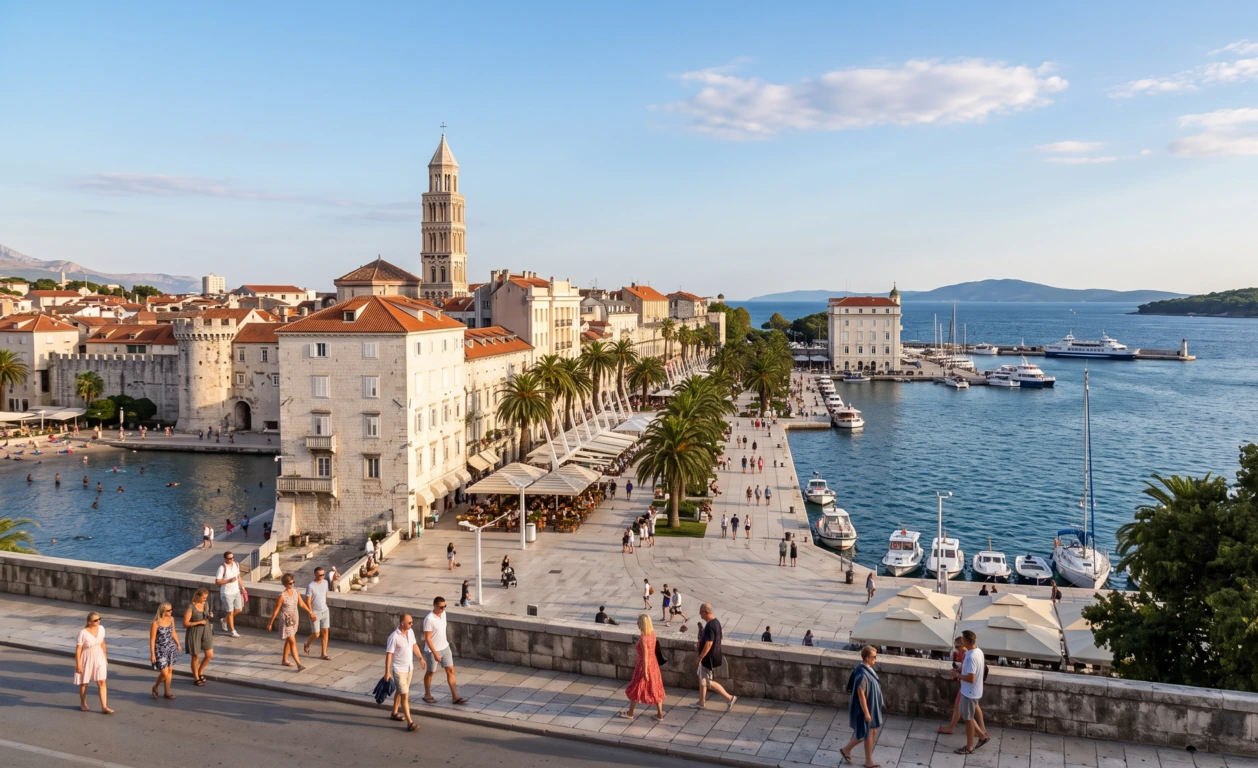
October is a good time for exploring the historic centre, walking around Marjan and enjoying local restaurants without summer heat. Visitors should pack clothing suitable for both warmer days and cooler, rainy periods.
November in Split
November is one of the wetter months of the year. The monthly average temperature is approximately 13°C, and longer periods of rain are more likely than during spring or summer.
Despite the less predictable weather, Split still offers plenty to see. Diocletian’s Palace is not a closed archaeological site but a living part of the city, filled with streets, buildings, shops, cafés and restaurants. Visitors can explore its historic areas and spend rainy periods in museums, galleries and other indoor attractions. Split’s historic centre, Riva, Marjan and cultural attractions form the central part of the city’s tourist offer throughout the year.
November is best suited to travellers who value a quiet atmosphere more than beach activities.
December in Split
December has a monthly average air temperature of approximately 9°C. Although it is too cold for a typical beach holiday, the city takes on a festive atmosphere during the Christmas and New Year period.
This month is suitable for a short winter break focused on food, culture, sightseeing and relaxed walks through the decorated city centre. Rain and wind are possible, but sunny winter days can still be pleasant.
Travellers visiting in December should check the current programme of concerts, markets and seasonal events because schedules change from year to year.
Peak Season in Split: June to August
June, July and August form the main summer season. This period offers the warmest weather, the best sea temperatures and the greatest selection of beach activities, boat trips, festivals and nightlife.
It is the best period for visitors who want:
- warm sea and regular swimming
- busy beaches and an energetic atmosphere
- summer festivals and outdoor events
- boat trips and island excursions
- active nightlife
The main disadvantages are stronger heat, crowded attractions and higher demand for centrally located accommodation. Booking early is especially important for stays in July and August.
Spring and Autumn in Split
May, September and early October are suitable for travellers who want to experience both the city and the coast.
During these months, visitors can explore Diocletian’s Palace, walk around Marjan, visit the beaches and spend more time outdoors without organising the entire day around the strongest summer heat.
May is particularly attractive for cultural events and sightseeing, while September offers warmer sea temperatures for visitors who still want to swim.
April and October are cooler and less predictable, but they remain good choices for active holidays, historic attractions and city breaks.
Winter in Split: November to March
Winter reveals a quieter and more local side of Split. Visitors can explore the old town, historic sites and cultural attractions without the busy atmosphere of the summer months.
Discover more ideas for visiting Split in winter, from cultural attractions to outdoor activities on clear days.
This period is not suitable for travellers whose main goal is swimming and beach activities. However, it may appeal to visitors interested in architecture, history, food and a slower travel experience.
Because rainy and windy days are possible, a flexible itinerary should include both outdoor walks and indoor attractions.
What is the Best Time to Visit Split for Beaches and Swimming?
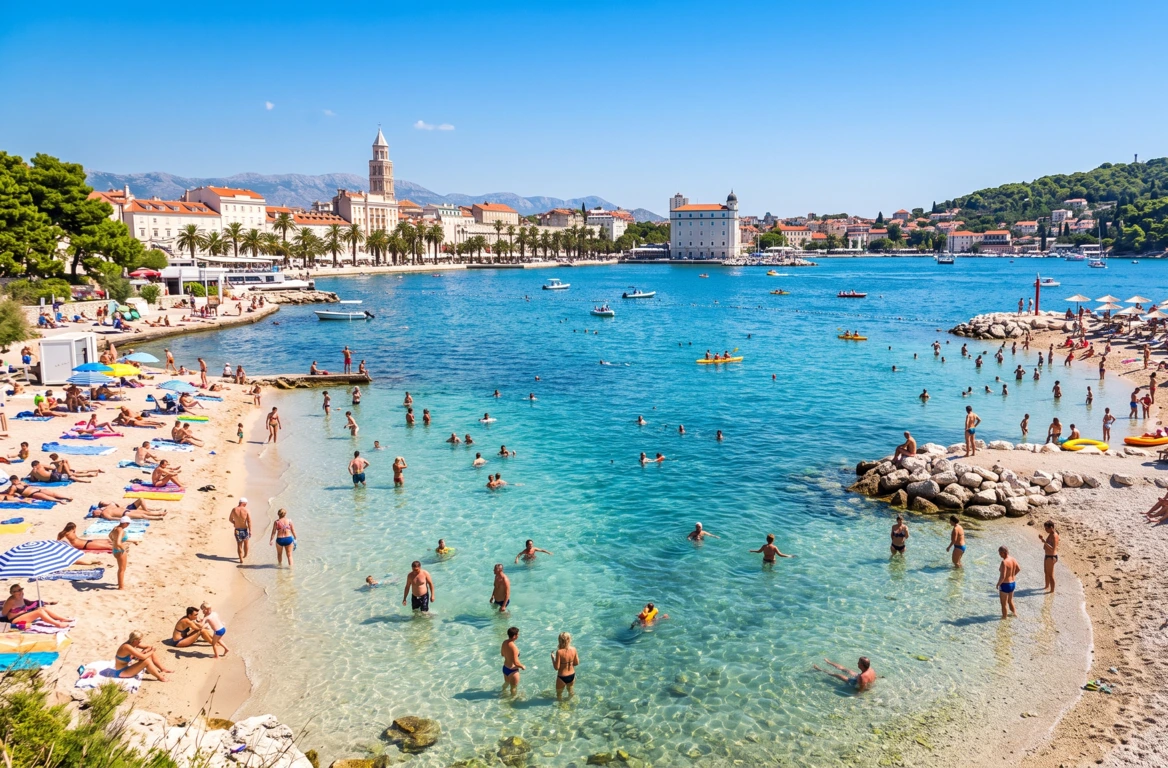
The best period for a beach holiday is from June to September.
July and August offer the warmest sea temperatures, while June and September provide good swimming conditions with slightly milder air temperatures. Split has several different beaches, including the sandy Bačvice Beach, the pebble beach at Kašjuni and the larger beach area at Žnjan.
Visitors who want warm water but prefer to avoid the height of summer should consider September.
What is the Best Time for Sightseeing Split?
The best months for sightseeing are April, May, September and October.
During these months, temperatures are usually more comfortable for walking through Diocletian’s Palace, visiting the Cathedral of Saint Domnius, exploring the Riva and climbing viewpoints around Marjan.
Sightseeing is also possible during summer, but visits should be planned for the morning or late afternoon.
What is the Best Time for Festivals and Nightlife in Split?
July is the most active month for major summer events and nightlife.
Ultra Europe attracts electronic music fans, while the Split Summer Festival adds opera, theatre, concerts and other cultural performances to the city’s summer programme. Split also hosts additional concerts, exhibitions and events throughout the season.
Travellers coming for a specific festival should check official dates before choosing accommodation.
What is the Best Time for Outdoor Activities in Split?
Spring and autumn are ideal for hiking, cycling and longer walks.
March, April, May, September and October generally provide more comfortable conditions for exploring Marjan and walking around the city. Summer is also suitable for outdoor activities, but they should be planned outside the hottest part of the day.
Frequently Asked Questions
May, June and September are the best months for most travellers. They offer pleasant weather, outdoor activities and a lively atmosphere. July and August are better for visitors whose priorities are hot weather, swimming, nightlife and major summer events.
July and August offer the warmest weather and sea temperatures. September is a good alternative because the sea remains warm while the air temperature becomes more comfortable for sightseeing.
Yes. Winter is suitable for visitors interested in history, culture, restaurants and a quieter city break. However, it is not the right period for travellers planning a traditional beach holiday.
May is one of the best months for visiting Split. The weather is generally pleasant for sightseeing and outdoor activities, and visitors can experience the celebrations connected with the Feast of Saint Domnius and Split City Day.
Yes. The average sea temperature in September is approximately 24°C, so swimming conditions are usually still pleasant.
Long-term monthly averages are approximately 24°C in June and close to 27°C in July and August. Individual daytime temperatures may be higher, so visitors should plan sightseeing during cooler parts of the day.
Where to Stay in Split


CONCLUSION
There is no single perfect time to visit Split because every season offers a different experience.
Summer is the best choice for warm sea, beaches, festivals and nightlife. Spring and autumn are ideal for combining sightseeing with outdoor activities, while winter is suitable for a quieter cultural break.
Choose the season that best matches your interests, reserve centrally located accommodation and enjoy the combination of history, Mediterranean atmosphere and everyday city life that makes Split a memorable destination.
Related blogs

Split Riva – what to know about the city’s most lively promenade
Split Riva is much more than just a walkway along the sea; it is the symbolic "living room" of every citizen of Split. For centuries, this promenade has been the stage for the [...]

What to do in Split on a rainy day: indoor activities and hidden spots
What to do in Split on a rainy day: discover the best indoor activities, from atmospheric cafés and local museums to wellness centres, galleries and hidden corners of the old town. Even when it rains, Split offers plenty of warm, inspiring and relaxing experiences.

Top Instagrammable Spots in Split: Capture the City Through the Lens
Split is full of stunning locations perfect for Instagram - from the ancient Diocletian's Palace to breathtaking Marjan views. This guide revelas the best photo spots around the city to help you capture unforgettable moments and share them with the world.
Hajduk Split FC: More Than Football, a Way of Life
Hajduk Split stands for more than sport - it’s a story of pride, tradition, and passion. At Poljud Stadium, matches unite generations of fans, transforming football into a shared lifestyle that celebrates community and identity across Dalmatia.